Rethink Neuropharmacology.
SYNAPTIQ
Unveiling the secrets of medications and the mind.
From swallow to synapse - this platform visualizes how drugs behave inside your brain.
HOW DO DRUGS REALLY WORK?
Most medications don’t act instantly they travel, transform, and interact across complex biochemical pathways.
This section unpacks how a single pill navigates your body, unlocks receptors, and alters your neurochemical balance all before you even feel the effect.
From Pill to Pathway
What Really Happens After You Swallow a Pill?
Once a medication enters your body, it embarks on a sophisticated biological journey:
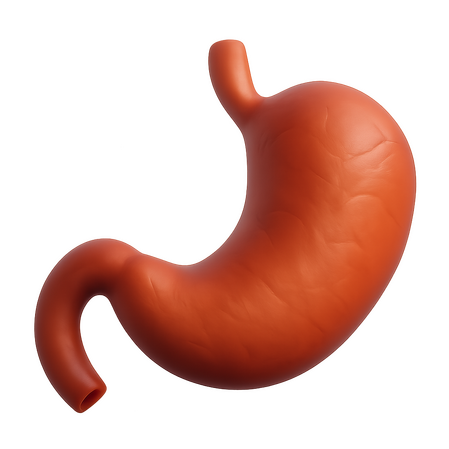
Absorption
Location: Stomach & Small Intestine
Your pill dissolves, releasing its active ingredients. These compounds pass through the intestinal lining into the bloodstream.Fun Fact: Some drugs are coated to resist stomach acid, activating only in the intestines!
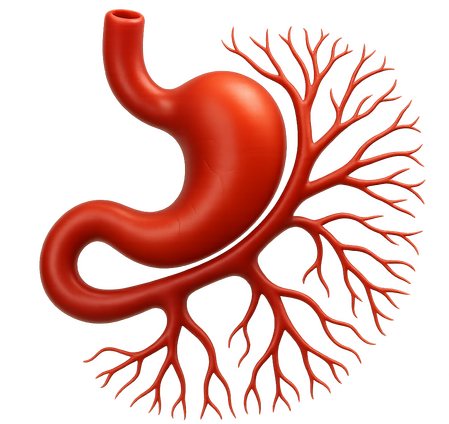
Distribution
Location: Bloodstream → Organs
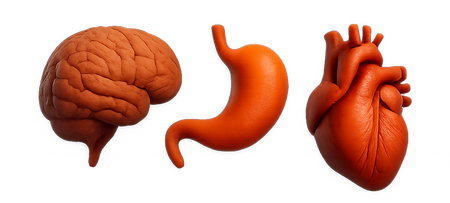
The drug molecules travel through your circulatory system, targeting specific tissues like the brain, heart, or liver.Key Insight: Only a fraction reaches the desired site the rest may bind to proteins or be metabolized early.
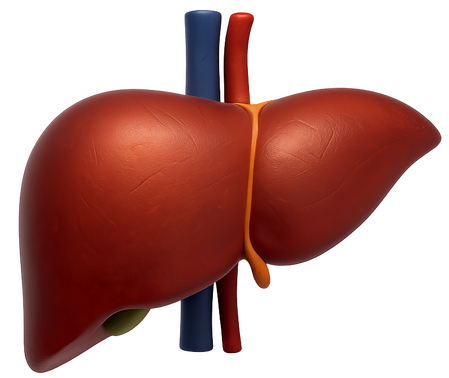
Metabolism
Location: Primarily the Liver
The body begins breaking the drug down.
Enzymes (like CYP450) transform it into usable or excretable forms.Some people metabolize drugs faster or slower due to genetic variations.
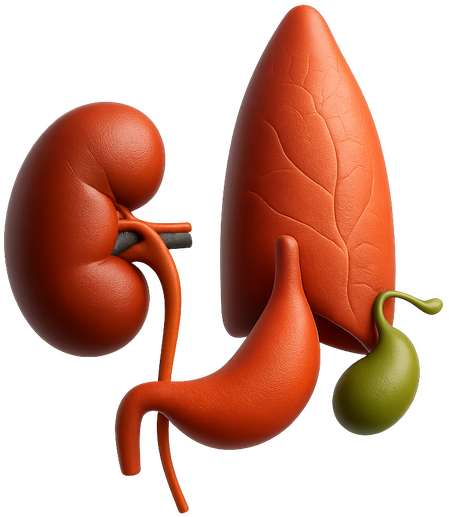
Excretion
Location: Kidneys, Bile, Lungs
What the body doesn’t need is eliminated via urine, feces, sweat, or even breath.This step determines how long the drug stays active.
Crossing the Gate: How Drugs Influence the Brain?
After traveling through your body, certain medications cross the brain’s protective barrier the Blood Brain Barrier (BBB) to begin their real mission.
Once inside, they interact with neurotransmitters and receptors, modifying your brain’s chemistry to relieve symptoms or restore balance.
This is where science meets sensation.
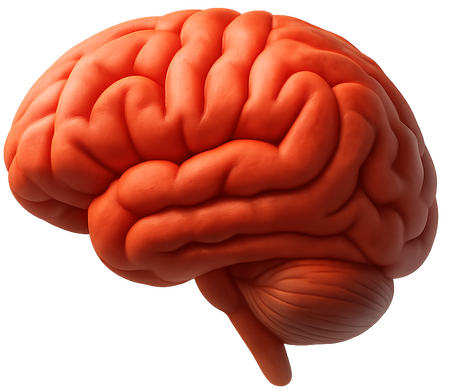
Crossing the Blood Brain Barrier (BBB):
The brain is protected by a selective barrier.
Only specific drugs (usually small, lipophilic, or actively transported) can cross.
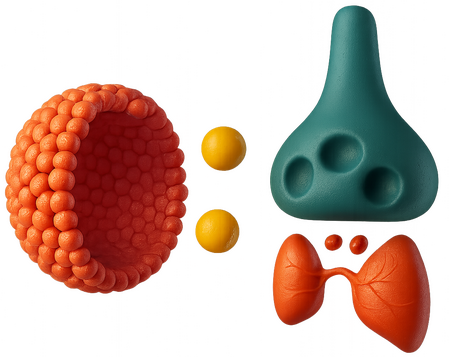
Targeting Neurotransmitters:
Once inside, the drug targets neurotransmitters such as serotonin, dopamine, or GABA, depending on the type of medication.
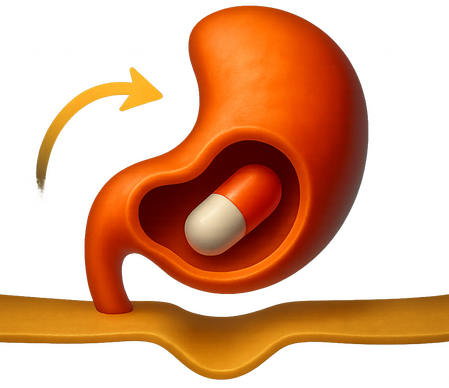
Receptor Binding:
The drug binds to specific receptors acting as either an agonist (activator) or antagonist (blocker).
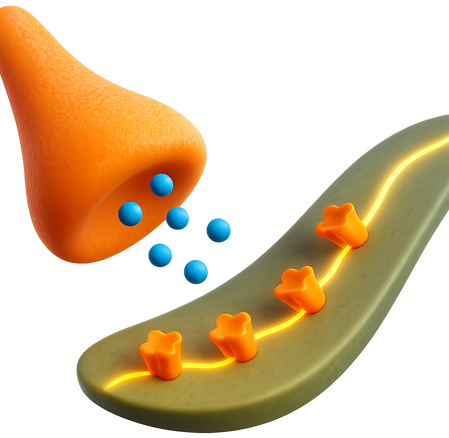
Signal Modulation:
Binding changes the activity of neuronal circuits, either enhancing or inhibiting brain signals.
Therapeutic Effect:
These changes can relieve symptoms like pain, anxiety, depression, seizures, or others depending on the drug’s purpose.